Best rubbish removal for Gladstone Park cleanups
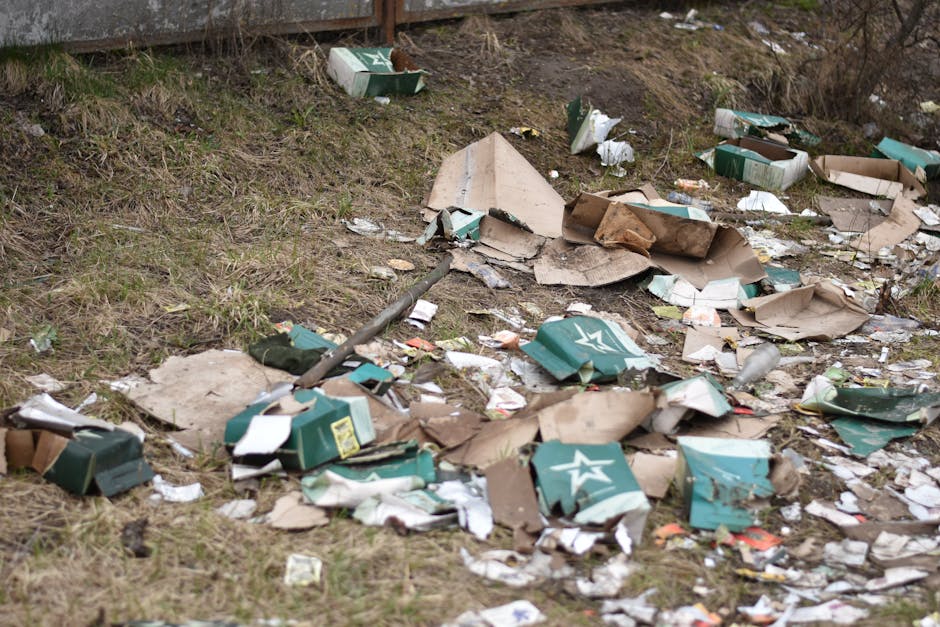
If you are facing a messy garden, a post-renovation pile-up, or a full property clear-out, finding the best rubbish removal for Gladstone Park cleanups can make the whole job feel far less overwhelming. The right approach saves time, reduces stress, and helps you deal with waste properly without turning your day into a never-ending trip to the tip. To be fair, most cleanups look manageable right up until you actually start shifting bags, broken furniture, and awkward bits of waste down the stairs.
This guide walks you through how rubbish removal works, what to look for, where people go wrong, and how to choose the most practical option for your situation. Whether you are clearing a flat, a loft, a garage, or a garden that has become a bit of a jungle, you will find clear, grounded advice here.
For readers who want to understand the wider service options, it can also help to look at general waste removal services, especially when the job includes a mix of household, office, or bulky items.
Expert summary: The best rubbish removal is rarely the cheapest headline price alone. It is the service that matches your waste type, access, timing, and compliance needs while keeping the process simple and predictable.
Table of Contents
- Why this matters for Gladstone Park cleanups
- How rubbish removal works
- Key benefits and practical advantages
- Who this is for and when it makes sense
- Step-by-step guidance
- Expert tips for better results
- Common mistakes to avoid
- Tools, resources and recommendations
- Law, compliance, standards and best practice
- Options, methods, and comparison table
- Case study or real-world example
- Practical checklist
- Conclusion
- Frequently asked questions
Why Best rubbish removal for Gladstone Park cleanups Matters
Gladstone Park cleanups are often more than a simple tidy-up. One weekend you are getting rid of an old sofa, a few black bags, and some garden clippings. Then suddenly there is builder's rubble, a broken wardrobe, mixed plastics, and a mystery pile from the loft that nobody wants to claim. It happens. And when waste starts to stack up, it can affect safety, access, and even how quickly you can get the rest of the property back in order.
Choosing the best rubbish removal service matters because cleanup work is rarely uniform. A garden clearance is not the same as a house clearance. A small office tidy is very different from post-refurbishment waste. The right service should fit the job rather than forcing you to adapt your plans around it.
There is also the practical side. Poorly handled rubbish can block walkways, attract pests, create trip hazards, and make a property look neglected. If you are preparing for a tenancy change, a sale, a move, or a renovation handover, these little details can become big headaches. And yes, once the weather turns damp, that "temporary" pile outside starts smelling like a problem rather quickly.
For this reason, people often look for a solution that is fast, tidy, and legally sound. If you are comparing options, pages like pricing and quotes and recycling and sustainability are useful places to understand how a responsible provider thinks about cost and disposal.
How Best rubbish removal for Gladstone Park cleanups Works
Most rubbish removal services work in a straightforward way: you describe the waste, the team gives guidance or a quote, then the rubbish is collected, loaded, and taken away for sorting, recycling, or disposal. The details matter, though. The smoother the access, the clearer the waste type, and the better the booking information, the easier the whole process becomes.
In practice, a cleanup normally follows a few common stages:
- Assessment: You explain what needs removing, how much there is, and whether the waste includes bulky, heavy, or unusual items.
- Quotation or estimate: The provider gives a price range or a fixed quote depending on the job description and access.
- Scheduling: A collection time is agreed. For some jobs, same-day or next-day collection may be available; for others, planning ahead makes more sense.
- On-site removal: The team loads the waste, usually handling lifting and transport so you do not have to.
- Sorting and disposal: Reusable and recyclable materials are separated where possible, and the remainder is processed in line with local and UK waste rules.
When the job is more specialised, the type of removal matters. For example, building debris calls for builders' waste clearance, while a cluttered storage space might be better handled through garage clearance or loft clearance. Matching the service to the mess is half the battle, honestly.
A good provider should also explain any restrictions before arrival. If something cannot go in the load, you want to know that upfront rather than being surprised when the van is half full and the tricky item is still sitting there.
Key Benefits and Practical Advantages
The best rubbish removal for Gladstone Park cleanups should do more than just take waste away. It should make the whole process simpler, safer, and less disruptive.
- Speed: A lot of clearups are time-sensitive. Fast removal means you can move on with decorating, moving house, or reopening a space.
- Less physical strain: Heavy lifting, awkward stairs, and bulky waste are not for everyone. Having help reduces the risk of injury and frustration.
- Better space management: Once waste is gone, it is much easier to see what is left, what can be kept, and what still needs sorting.
- Cleaner finish: A professional removal usually leaves a tidier result than a rushed DIY load-up with bins overflowing and bits left behind.
- More predictable disposal: Responsible services know how to separate waste and direct items into the right streams.
There is also a planning advantage. If you are clearing a flat, for example, a service focused on flat clearance can be a better fit than trying to piece together multiple smaller collections. Likewise, if furniture is the main issue, a dedicated furniture disposal or furniture clearance option can save you from wasting effort on the wrong type of service.
And let's face it, once you have one good cleanup done properly, the whole property feels different. Lighter somehow. Quieter, even.
Who This Is For and When It Makes Sense
This kind of service is for anyone who needs waste removed quickly and properly without building a weekend around it. That includes homeowners, landlords, tenants, letting agents, tradespeople, office managers, and anyone in the middle of a life admin avalanche.
It makes particular sense in these situations:
- End of tenancy clearouts: When a flat or house has leftover furniture, bags, or mixed clutter.
- Home decluttering: If cupboards, garages, or lofts have become holding zones for "I might need this later" items.
- Renovation and DIY waste: Plasterboard, timber, packaging, tiles, and offcuts can build up quickly.
- Garden work: Branches, soil, hedge cuttings, and broken outdoor items usually need more than the council bin can manage.
- Office tidy-ups: Desks, paperwork, old electronics, and storage waste often need structured removal.
- Move-day pressure: When you need a property ready for handover, speed matters more than ever.
For business owners, the answer may be regular rather than one-off support. A reliable business waste removal arrangement can reduce clutter buildup and stop back rooms, stock areas, or staff spaces from becoming accidental storage units. Happens all the time.
If your cleanup includes fragile schedules, shared access, or security concerns, it is worth checking pages like office clearance and confidential shredding for a clearer sense of how sensitive materials should be handled.
Step-by-Step Guidance
If you want the smoothest result, the best approach is to prepare before the van arrives. Here is a simple step-by-step method that works well for most Gladstone Park cleanups.
- Walk through the space. Decide what is going, what is staying, and what needs special handling. It sounds obvious, but this saves a surprising amount of confusion later.
- Separate waste by type where possible. Put bulky furniture, garden waste, builder's waste, and general rubbish into rough groups. You do not need a perfect labelling system. Just some order.
- Identify problem items early. Appliances, fridges, mattresses, paint, chemicals, and electrical items may need separate handling. Do not leave that question until collection day.
- Measure access. Narrow stairwells, long walks from the property to the road, gated access, or parking limits can affect collection time and cost.
- Ask for a clear quote. Make sure the provider understands volume, waste type, and any awkward access before confirming.
- Prepare the load area. If safe to do so, place waste in one accessible area. That helps speed things up and keeps the property more organised.
- Keep essentials aside. Keys, documents, chargers, tools, and sentimental items should be removed before the team starts loading. A quick double-check saves regret. Trust me on that one.
- Check the finished area. Once the rubbish is gone, do a final sweep for small items, screws, packaging, or loose bits that may have been missed.
If the project is especially large, it may help to compare your situation with a home clearance or house clearance approach, especially when the job involves multiple rooms or a full-property clean.
Expert Tips for Better Results
There are a few small decisions that make a big difference.
First, be honest about volume. It is tempting to understate how much waste there is. People do it all the time, usually because they are hoping for a lower quote. But underestimating often leads to delays or revised pricing on the day. Better to be accurate, even if the answer is slightly annoying.
Second, think in layers. The obvious junk is usually not the only junk. Behind the sofa there may be boxes. In the garage there may be old paint tins, a broken bike, and a stack of unusable odds and ends. Look once, then look again.
Third, match the method to the material. Heavy rubble, mixed construction waste, and garden debris behave differently. If you have a mostly outdoor job, garden clearance may be the better path. If the space is full of leftover bulky items, then furniture or general clearance may be enough.
Fourth, ask what happens to recyclable items. A responsible provider should be able to explain how waste is sorted. You do not need a lecture, just a clear and practical answer.
Fifth, keep an eye on timing. Morning collections can work well when you want the rest of the day free for cleaning or decorating. Later collections are useful if you need time to finish sorting. Either way, build in a small buffer. Things rarely go exactly to the minute.
For appliance-heavy jobs, it may also be worth looking at fridge and appliance removal so you are not left wondering what to do with the old kitchen gear when the rest of the space is already cleared.
Common Mistakes to Avoid
Even straightforward rubbish removal jobs can go sideways if you miss the basics.
- Booking the wrong type of service: A generic clearance may not suit builder's rubble, white goods, or mixed household waste.
- Leaving sorting until collection day: This slows everything down and makes it easier to miss important items.
- Forgetting about access: Stairs, parking, lifts, and narrow hallways can affect the plan more than people expect.
- Ignoring restricted items: Some waste needs special handling. Not everything should be bundled together.
- Choosing only on price: The cheapest quote can become expensive if it does not reflect the actual work involved.
- Assuming everything can go in one load: It cannot always. Better to ask than to guess.
Another common issue is "I'll sort the rest later." That phrase has derailed many a cleanup. Later never quite arrives, does it?
For larger properties, a more structured service like garage clearance or loft clearance can prevent waste from being shuffled from one room to another without ever really disappearing.
Tools, Resources and Recommendations
You do not need a mountain of equipment for a successful cleanup, but a few practical items make the job easier.
- Heavy-duty gloves: Good for sharp edges, splinters, and dusty items.
- Bin bags and rubble sacks: Useful for loose mixed waste, packaging, and smaller debris.
- Tape or labels: Simple but handy if you want to mark items to keep, donate, or remove.
- A torch: Especially useful in lofts, garages, and dim corners where small items hide.
- Basic cleaning kit: A broom, dustpan, cloths, and disinfectant help finish the job once the bulk waste is gone.
For more specialised needs, explore relevant service pages before you book. For example, a building project may fit builders' waste clearance, while a full room reset might be closer to flat clearance. If you are unsure where your waste fits, a quick read of what can go in a skip can help you understand the difference between accepted and restricted materials.
It is also wise to look at the provider's approach to payments and security before sharing details or confirming a booking. Pages such as payment and security and insurance and safety give a sense of the professionalism you should expect.
Law, Compliance, Standards and Best Practice
Rubbish removal is not just about convenience. It sits within a wider framework of responsible waste handling, and that matters in the UK. You do not need to become an expert in waste law, but you should know the basics.
As a general rule, waste should be handled by a lawful, insured, and appropriately registered provider. Waste transfer should be documented where required, and hazardous or specialist materials should not be treated like general rubbish. That includes items such as certain chemicals, asbestos-related materials, and some electrical or refrigeration items.
Householders, landlords, and businesses all have responsibilities too. In plain English: once waste leaves your property, you still want confidence that it is being dealt with properly. Fly-tipping or sloppy disposal can create problems for everyone involved. Nobody wants that mess landing back on their doorstep.
Best practice also includes clear communication. A proper provider should explain:
- what types of waste they can collect
- what needs separate handling
- how they price the job
- what access they need
- how they manage sorting, recycling, and disposal
Where the cleanup involves potentially risky material, such as old chemicals or contaminated items, a dedicated route like hazardous waste disposal is the safer and more appropriate choice. That is one area where guessing is a bad idea.
Options, Methods, or Comparison Table
If you are trying to decide between removal methods, this comparison can help. There is no single winner for every situation; the best option depends on waste type, access, urgency, and how hands-on you want to be.
| Method | Best for | Pros | Watch-outs |
|---|---|---|---|
| Professional rubbish removal | Mixed waste, bulky items, fast turnaround | Convenient, less lifting, tailored to the job | Pricing depends on volume and access |
| Skip hire | Longer projects with steady waste output | Good for ongoing clear-outs, works well on larger jobs | Needs space, filling limits, permit considerations may apply |
| Self-haul to a disposal site | Small amounts of waste and flexible schedules | Can suit simple loads if you have transport | Time-consuming, heavy lifting, multiple trips |
| Specialist clearance | Furniture, office, garden, appliance, or builder-specific waste | More efficient for certain waste types | Needs the right service match |
If you are torn between a mixed waste collection and a more specific service, ask yourself one question: what is actually dominating the job? If it is furniture, go furniture-led. If it is office clutter, look at office clearance. If it is a garage full of mixed odds and ends, garage clearance may be the neatest solution.
Case Study or Real-World Example
Imagine a typical Saturday morning cleanup in Gladstone Park. A family has just finished redecorating the downstairs room, and the old sofa, packaging, scrap wood, broken lamp, and a few bags of general waste are spread across the hallway and driveway. The garden shed is also full of leftover bits from previous projects. Nothing dramatic. Just enough clutter to make the space feel unfinished.
They could try to handle it with a few car trips, but that would mean lifting heavy items, finding parking, separating waste, and spending most of the day on logistics. Instead, they organise a single collection. The bulky items are grouped together, the garden debris is kept separate, and the awkward appliance is flagged in advance. The team arrives, loads everything efficiently, and the house feels usable again by lunchtime.
The interesting part is not the waste itself. It is the relief. Once the clutter disappears, the room stops feeling cramped. The hallway opens up. The driveway breathes again. Small difference, big mood shift. If you have ever cleared a space and suddenly noticed how much bigger it looks, you know exactly what I mean.
Practical Checklist
Use this quick checklist before booking a cleanup.
- Identify the main waste types in the pile
- Check whether anything needs specialist handling
- Measure access points, stairs, and parking constraints
- Sort keep, donate, recycle, and remove items
- Take photos if the load is large or mixed
- Ask for a quote that reflects the real scope
- Confirm timing and any arrival instructions
- Set aside keys, documents, valuables, and essentials
- Prepare a clear path to the waste if possible
- Review the finished area for small leftover bits
If your cleanup includes older soft furnishings or mattresses, it is worth checking the specific disposal route in advance. Pages like mattress and sofa disposal can be especially helpful when the job includes awkward bulky items that do not fold neatly into anything. Which, of course, they rarely do.
Conclusion
The best rubbish removal for Gladstone Park cleanups is the one that fits your waste, your space, and your timeline without making the job harder than it needs to be. In real life, that usually means choosing a service that is clear about what it will take, careful about what it can collect, and practical about the way it works on site.
Whether you are clearing a single room or a whole property, the goal is the same: get the waste gone, keep things safe, and leave yourself with a cleaner, calmer space to work with. That is the sort of result people remember. Not the pile. The relief after it.
If you are ready to take the next step, it is worth reviewing the relevant service information, checking what fits your job, and booking with confidence rather than guesswork.
Get a free quote today and see how much you can save.
Frequently Asked Questions
What is the best rubbish removal option for a small Gladstone Park cleanup?
For small cleanups, a flexible rubbish removal service is often the easiest option because it handles lifting, loading, and disposal in one visit. If the waste is mostly general household clutter, that is usually simpler than arranging multiple trips yourself.
How do I know whether I need rubbish removal or skip hire?
If the waste is being generated over several days or weeks and you have space for a skip, skip hire may suit you. If you want a fast, one-off collection with less hassle, rubbish removal is usually more convenient.
Can I mix furniture, garden waste, and builder's rubble in one collection?
Sometimes yes, but it depends on the provider and the make-up of the load. Mixed waste is common, though separating material types ahead of time helps with pricing and disposal planning.
What should I do with bulky items like sofas or mattresses?
Bulky items are best flagged before the booking so the provider can plan for them properly. Dedicated pages such as furniture disposal or mattress and sofa disposal are useful if those items make up a large part of the load.
Is rubbish removal suitable for office cleanups?
Yes, especially when you are clearing desks, filing, old furniture, or mixed office clutter. For larger or more sensitive jobs, office clearance and confidential shredding may be more appropriate.
Do I need to sort the waste before collection?
You do not always need a perfect sort, but a basic separation of bulky items, general waste, and anything unusual helps a lot. It makes the collection smoother and reduces the chance of confusion on the day.
How quickly can rubbish be removed?
That depends on availability, access, and the scale of the job. Smaller cleanups can often be arranged quickly, while larger or more complex collections may need a bit more planning.
What if I have hazardous or restricted waste?
Do not mix it into general rubbish. Items that may be hazardous or require special handling should be discussed separately and routed through the correct disposal process.
How can I keep rubbish removal costs under control?
Be accurate about the amount of waste, group items sensibly, and tell the provider about access issues in advance. Clear information usually leads to a better quote and fewer surprises.
Will the provider recycle anything from the collection?
A responsible service should sort waste where possible and direct recyclable materials into the right channels. If sustainability matters to you, ask how the provider approaches recycling and waste separation.
Is rubbish removal safe for properties with narrow stairs or limited access?
Yes, as long as the provider knows about the access constraints in advance. Narrow stairs, long carry distances, and restricted parking all affect how the job is planned.
What is the most common mistake people make during a cleanup?
The biggest mistake is underestimating the amount and type of waste. People often think the job is smaller than it is, then get stuck halfway through with an awkward pile and no plan. A quick walk-through before booking avoids most of that trouble.