Commercial Waste Cricklewood: Sustainable Solutions for an Eco-Friendly Waste Disposal Area
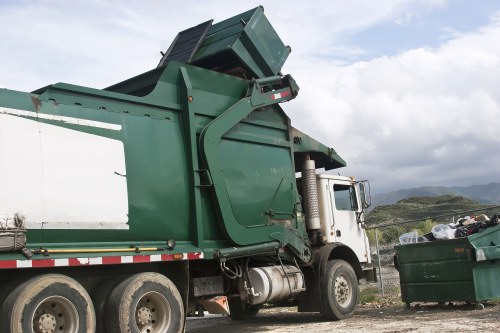 Commercial Waste Cricklewood is committed to building an eco-friendly waste disposal area across local business zones and retail parks. Our approach to managing commercial waste in Cricklewood focuses on preventing landfill, increasing reuse, and expanding recycling streams so that every business contributes to a healthier local environment. By promoting clearly labelled bins, segregation at source and practical staff training we help create a sustainable rubbish area that aligns with borough recycling expectations and community goals.
Local councils and waste collection authorities near Cricklewood have adopted progressive separation rules—typically kerbside collection for dry recyclables, dedicated food waste rounds and targeted glass collection points. These borough-led programmes mean that Cricklewood commercial waste strategies must complement municipal separation systems so that materials from shops and offices are sorted correctly and avoid costly contamination. Emphasising correct sorting supports higher recovery rates and reduces the carbon footprint associated with reprocessing.
Targets, Tracking and the Recycling Percentage Goal
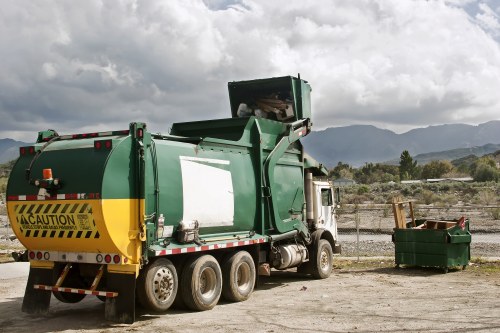
Our measurable recycling percentage target is a cornerstone of the plan: we aim for a 70% recycling and reuse rate for non-hazardous commercial waste by 2028. This target balances ambition with operational realities and is supported by route-level reporting, weighbridge data from transfer depots and periodic waste audits. Tracking progress means each account receives performance summaries showing tonnes diverted from landfill into recycling or reuse, helping businesses meet sustainability reporting requirements and strengthening the local eco-friendly waste disposal area.Local Transfer Stations and Smart Logistics
To maintain a low-impact supply chain, we rely on nearby transfer stations and material recovery facilities that prioritise separation, bulking and recycling. Cricklewood collections feed into borough-authorised transfer depots where materials are sorted into mixed recyclables, organics and residual streams before being transported to Resource Recovery Centres. This network approach reduces vehicle miles and increases throughput for items like cardboard, PET bottles, metals and food waste generated by hospitality businesses. Low-carbon vans form a vital part of our promise to be a sustainable rubbish area provider. Our delivery and collection fleet is being upgraded to electric and hybrid vans, combined with Euro-6 compliant vehicles for heavier loads. These low-emission vehicles cut local NOx and PM impact, lower operational carbon and ensure that Cricklewood commercial waste movements support the boroughs’ air quality objectives. We also schedule uplift rounds to minimise empty runs and optimise route density.
Partnerships with charities and reuse organisations are central to a circular approach. We work with local and London-wide social enterprises to identify items suitable for reuse: commercial furniture, office equipment, surplus food and textiles. These collaborations not only keep items out of the waste stream but also support community projects. Key partnership activities include organised donation collections, rapid referral for usable office kit and verified handover processes to ensure safe, lawful redistribution.
To help businesses deliver on sustainable waste targets we provide clear guidance on separation at source and suitable containment for different streams. Typical materials accepted for recycling include:
- Paper and cardboard — baled or flattened to reduce volume
- Plastics (mixed rigid and PET) — rinsed and sorted where possible
- Glass — separated by colour when required by processing centres
- Food waste — collected in sealed caddies for anaerobic digestion
- Metals and e-waste — routed to specialised recyclers
Using clear labelled containers and training frontline staff reduces contamination and helps the local boroughs meet their separation standards. We also offer segregation audits that identify quick wins for increasing recycling rates without large capital expenditure.
How Transfer Stations and Recovery Centres Fit In
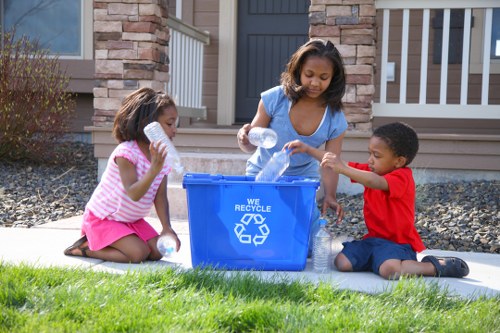
Collections from Cricklewood businesses are consolidated at authorised transfer stations before onward movement to Material Recovery Facilities (MRFs) or anaerobic digestion plants for organics. These hubs enable efficient consolidation and detailed sorting work that smaller private premises cannot perform on-site. By co-ordinating closely with depot operators we maintain transparency about final destinations for recyclables and ensure compliance with environmental permitting and quality standards, reinforcing the region’s status as an eco-friendly waste disposal area.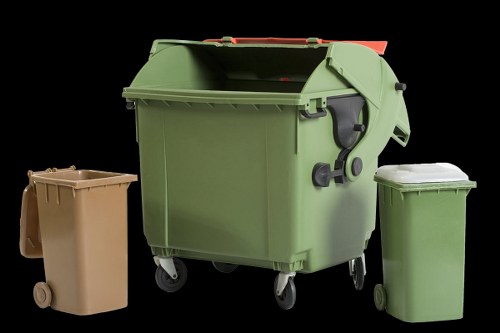
Commitment to Continuous Improvement
Our commitment to a greener Cricklewood means continual investment in people, processes and technology. We report on recycling percentage progress, support the development of low-carbon vans, and deepen partnerships with charities and reuse networks to stimulate circular economy outcomes. By combining measured targets, effective logistics through local transfer stations and community-focused charity partnerships, we turn commercial waste in Cricklewood into a resource rather than a burden.Final note: adopting simple operational changes—better segregation, engagement with reuse partners and choosing low-emission collection options—will accelerate the transition to a truly sustainable rubbish area across Cricklewood. Businesses that work with these principles will play a key role in achieving our 70% recycling and reuse target and in creating a cleaner, greener local environment.
