Complaints Procedure for Commercial Waste Cricklewood Services
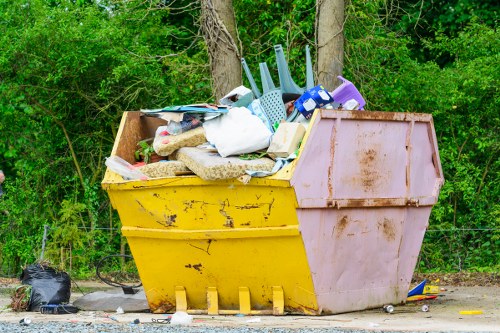 This document sets out the formal complaints procedure for customers using commercial waste services in and around the Cricklewood service area. It explains how to raise a concern about commercial rubbish collection, business waste pickups or refuse handling, how complaints are processed, and what outcomes you can expect. Our aim is to resolve issues fairly, promptly and transparently while maintaining high standards for trade waste and commercial refuse collection.
Scope and purpose
This procedure applies to all aspects of commercial waste management in the company’s service area, including scheduled collections, ad hoc commercial waste removals, recycling services and any associated customer service interactions. It is designed to be accessible and clear so that businesses and managing agents understand how to report problems with their commercial waste collection in Cricklewood and receive a proper response.
 Complaints may relate to missed business bin collection, contamination issues, vehicle incidents, service delays or other aspects of commercial refuse collection. Where a complaint concerns health and safety or immediate environmental risk, the complaint will be prioritised for urgent action; other complaints will be handled within the standard timeframes set out below.
How to make a complaint
To ensure complaints are handled efficiently, please provide a clear description of the issue, relevant dates and times, the service point (for example: shop, warehouse or office collection point), and any supporting information such as photographs or vehicle references. All complaints received are recorded and acknowledged. We do not publish contact details in this document, but complaints should be submitted through the company’s established customer communications channels so records can be maintained.
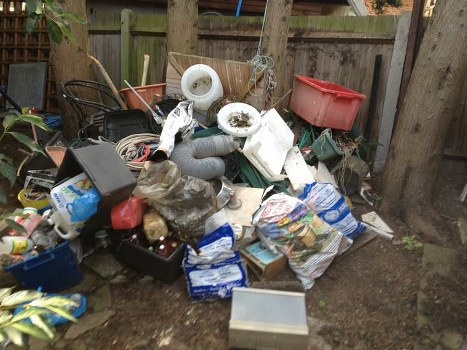 Upon receipt, complaints are logged and assigned a unique reference number. Initial acknowledgement will normally be issued within two working days and will advise the complainant of the expected timescale for a substantive response. If further investigation is required, the complainant will be kept informed of progress.
Standard handling aims to conclude straightforward complaints within ten working days. Complex matters requiring operational investigation, third-party liaison or site visits may take longer; in such cases the complainant will be updated at regular intervals and given an estimated completion date.
Investigation and responsibilities: complaints are investigated by the operations or customer relations team responsible for the relevant commercial waste account. Investigations may include reviewing vehicle GPS logs, collection schedules, staff statements, CCTV where available and site inspections. All relevant evidence is considered and findings are documented in the complaint record.
 If the complaint is upheld, appropriate corrective actions will be taken, which may include arranging immediate remedial collections, amending collection schedules, retraining staff, or implementing procedural changes to prevent recurrence. Where the complaint identifies a breach of contract or service standards in commercial waste collection Cricklewood clients will be informed of corrective measures taken.
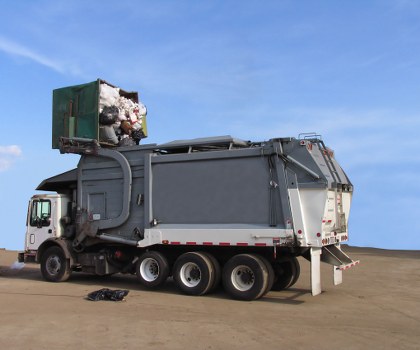 Where a complaint is not upheld, the complainant will receive a full explanation of the reasons and the evidence reviewed. That response will include any steps already taken to check the claim and details of what further monitoring or preventative steps will be put in place, if applicable.
Escalation: if a complainant is dissatisfied with the outcome of the initial response they may request an internal review. The internal review will be carried out by a senior manager who was not involved in the original decision. The review will re-examine the evidence and make a final determination at the organisation level. Reviews are conducted impartially and documented fully.
Record keeping and learning: all complaints and outcomes are retained in accordance with company retention policies. Records are used to:
- identify recurring issues with commercial rubbish collection;
- inform service improvements such as route changes or additional training;
- demonstrate compliance with contractual standards and regulatory expectations.
Remedies and fair outcomes: remedies may include operational corrections, revised scheduling, reimbursement where appropriate and proportionate, or other remedial actions designed to reinstate service standards. Compensation is considered in line with company policy and only where loss or demonstrable additional costs are clearly attributable to service failure.
Continuous improvement: complaint trends are reviewed periodically to drive improvements across the commercial waste offer, including refuse collection operations, recycling services and customer service practices. This commitment helps reduce repeat incidents and enhances reliability for businesses relying on commercial waste collection in the Cricklewood area and surrounding service zones.
Confidentiality and fairness: complaints are handled with respect for privacy and data protection. Information shared in the course of an investigation is used only for resolving the issue and improving services, subject to lawful retention and handling policies. The company will ensure that all complainants are treated fairly and without prejudice.
Scope limitations: this formal complaints procedure does not replace statutory reporting routes for certain regulated matters; it is the company’s internal process for addressing service failures, operational complaints and customer relations concerning trade waste and commercial refuse handling. It provides a clear, transparent path to resolution and a commitment to learning from every complaint to improve commercial waste services across the service area.
